
Over the past 20 years, the wine industry in Oregon has evolved rapidly. Large production tasting rooms like Domaine Serene and Willamette Valley Vineyards have become nationally recognized brands, and for good reason, but that doesn't mean there aren't still amazing small producers doing incredible things.
Tasting wine at a smaller Oregon winery is often a very different experience from stepping into a larger tasting room. Cozy homes, homemade food, great stories, and unfiltered conversations are much easier to come by, and you're often guided by the owner or winemaker themselves. There are no scripts, no KPIs, no tasting room associates quietly tallying wine club sign-ups. In a lot of ways, it's a breath of fresh air and a reminder of what the industry felt like before TOCK reservations and two-hour curated experiences became the standard.
Don't get us wrong. There are real benefits to larger production tasting rooms, including impeccable service, fabulous wines, and stunning amenities, but in a world where people are increasingly chasing experiences over things, boutique wineries remain the backbone of the Oregon wine industry.
In this guide, we're breaking down some of our favorite boutique wineries in Oregon, along with a few tips to make your visit better and a quick look at what "boutique" actually means to us. Whether you're a longtime Oregon wine lover or just starting to explore, this is your guide to finding the hidden gems.
We think of boutique as intimate and authentic. Typically producing fewer than 15,000 cases per year with a lean, multifaceted team, boutique wineries have a strong identity and can answer the question "why do you make wine?" without hesitating. These are not passion projects, and they're not $20 million investments with corporate backers. They're small businesses run by people who genuinely love wine.
Bring your boots. It's not uncommon to go on a brief vineyard walk, especially when you're being hosted by the winemaker or owner themselves. The experience of walking through the vines and learning about the terroir, history, and story of the place is not something you want to miss, so be prepared to get outside, rain or shine.
Don't fill the whole day with reservations. Ever wonder who your favorite winemaker's favorite winemaker is? Don't you want to try their wine too? I always like to ask for recommendations and leave part of the day flexible. If you're doing a full-day trip, instead of stacking three or four reservations back to back, book one or two and let your first stop point you toward the next one.
Buy the wine. Smaller producers don't have massive distribution networks or large e-commerce operations. In-person tastings and small wine clubs are the main drivers of their business. If you like what's in your glass, buy a bottle — or a few. You're supporting a small business, and you get to take home more than just wine. You're taking home a story and a connection to the place it came from.
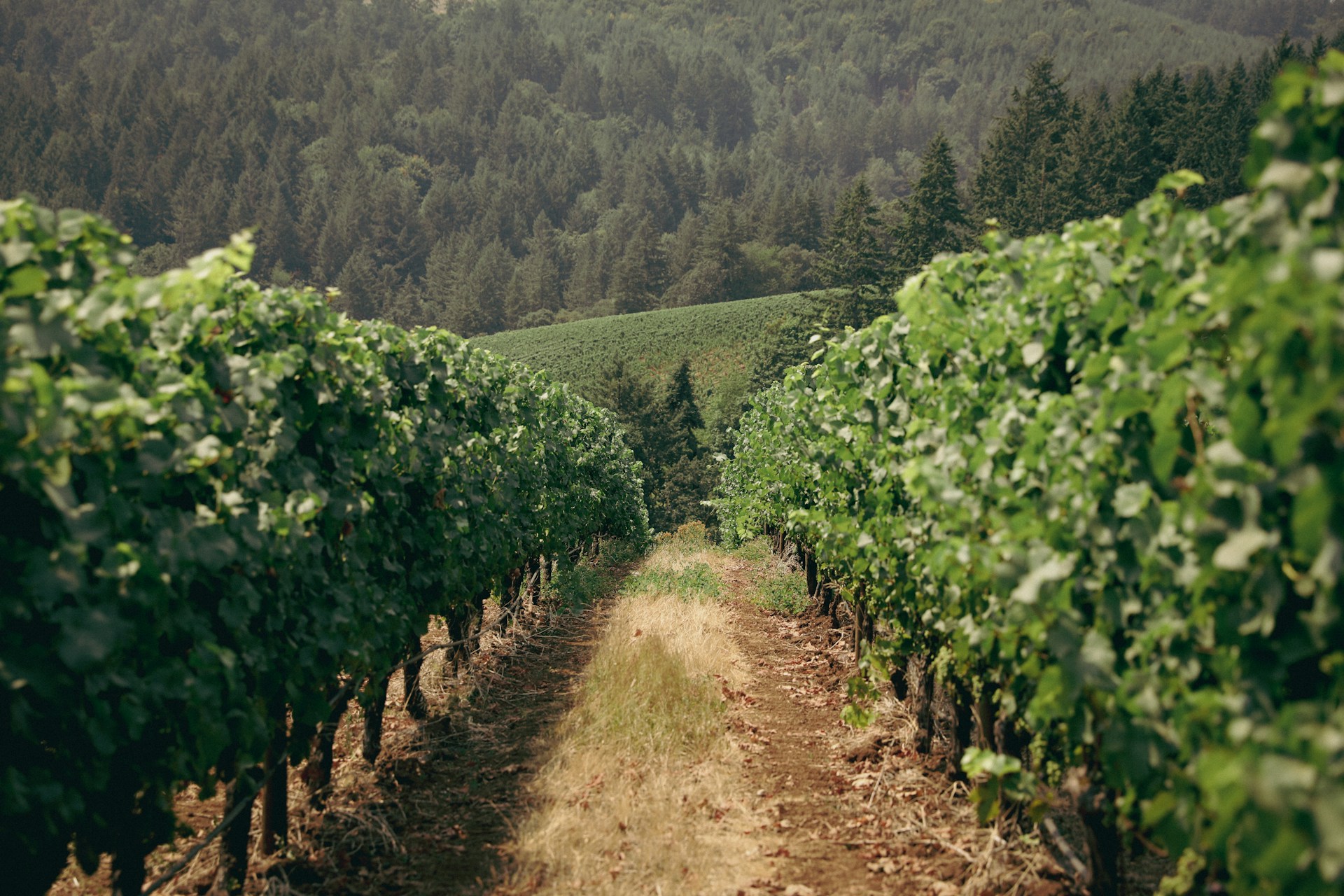
Beyond just fabulous wine, Danny and Susan Klieman are exceptional hosts. They specialize in estate Pinot Noir and Chardonnay with bright energy, beautiful balance, and stunning aromatics. Their vineyard just outside of Carlton is among the furthest west and highest elevation in the Willamette Valley, and that shows up in the glass in a way that's hard to explain until you've tasted it.
Lonesome Rock is reservation-only, and they host one party at a time. Depending on the weather, you'll be in their home or out on the back patio, walking through their collection of wines while Danny and Susan share the story of how the vineyard came to be. There's homemade food involved. It's genuinely special, and their Pinot Noir is some of the best being made in the Willamette Valley right now.
Website: lonesomerock.com
Brick House has been making wine in Oregon since 1990 and was among the first in the state to commit entirely to farming without pesticides or herbicides. Today, they practice Biodynamic preparation 500, sometimes called horn manure, and their commitment to the land they farm on runs as deep as anyone in the valley. Their belief is simple: the farm is a living organism, and the health of that organism has a direct impact on the quality of the wine. It's hard to argue with the results.
Brick House makes Pinot Noir, Chardonnay, and Gamay Noir, and all of it is worth your time. Whether you are nestled into the barn, or the actual brick house the property is named for, their small team are gifted storytellers, and you'll enjoy exceptional views of the vineyard, birdsong in every direction, and wines that taste like somewhere specific. Leave feeling grateful.
Website: brickhousewines.com
With the accolades and national distribution that Beaux Frères has earned, some might hesitate to put them on a boutique list. We hear that. But if you've been farming the same pig farm outside of Newberg since the mid-1980s, carrying genuine environmental stewardship alongside a relentless pursuit of excellence, you belong here.
Beaux Frères makes some of the best Pinot Noir and Chardonnay in Oregon — arguably in the world — and visiting their tasting room in Newberg is an experience that matches the wine. Stepping out of the car into a muddy puddle while you hear pigs squealing in the distance tells you immediately that you're in the right place. The staff in the tasting room will walk you through the story, the level of care, the family investment that has defined this place for decades. Is their wine cheap? No. Is it worth it? Without question. Beaux Frères is unmissable.
Website: beauxfreres.com
Situated in the recently designated Lower Long Tom AVA (established in 2021) Antiquum is an absolute hidden gem. You'll drive out past Junction City, through open countryside, and eventually wind down a long gravel road until the big white Maremma sheepdogs trot out to greet you and the vineyard reveals itself.
Woven between the vines are Katahdin and Dorper sheep, Kunekune pigs, geese, chickens, and ducks, all rotating through the vineyard throughout the year. The animals graze the above-ground material and return nutrients to the soil in a farming system that is as thoughtful as it is working. Walking the vineyard, learning how it all fits together, and then sitting down in their cozy farmhouse with cheese and charcuterie to taste the resulting wines is one of the more memorable afternoons you can have in Oregon wine country. Go once and you'll want to go back every year (or month... or day....)
Website: antiquumfarm.com
This list is a living document. As we continue visiting and tasting, we'll add producers that earn their place. Have a recommendation? We'd love to hear it.
